Experience
Low Water Pressure Troubleshooting in Tyler
Many homeowners and businesses in Tyler, TX experience the frustration of low water pressure, interrupted water flow, and slow-filling appliances that disrupt daily routines. This can cause uneven showers, poor dishwasher performance, and inefficient irrigation systems that waste time and increase stress. Addressing these symptoms quickly requires targeted diagnostics and a mix of simple fixes and professional repairs.
Reduced flow often signals underlying issues like clogged aerators, failing pressure regulators, or aging galvanized piping that restricts throughput. It can also be tied to municipal supply fluctuations, malfunctioning well pumps, or electrical faults affecting booster systems. Understanding the root cause helps prioritize solutions from quick maintenance to comprehensive system replacement.
Our local team in Tyler, TX blends traditional plumbing expertise with modern diagnostics to restore full PSI and consistent flow rates. We coordinate with municipal utilities, perform pressure testing, and integrate solutions such as booster pumps, pressure tanks, and PRVs for long-term reliability. Below are topical insights, troubleshooting steps, and service options to help you regain dependable water delivery.
Common causes of low water pressure in Tyler, TX
A frequent culprit for pressure loss is sediment build-up in shower valves, faucet cartridges, and inline sediment filters, which reduce flow rate over time. Hard water scale and mineral deposits can restrict valve passages and strangulate the effective diameter of supply lines.
Another major factor is aging or corroded pipework, especially galvanized steel and old iron mains, which accumulate rust and narrow the bore, producing systemic pressure drops. Municipal main breaks, scheduled supply reductions, and local hydrant activities can also temporarily lower incoming pressure for entire neighborhoods.
Electrical issues that affect well pump controllers, pressure switches, or booster pump power can cause intermittent or sustained pressure loss, linking basic electrical repair to hydraulic performance. Diagnosing whether the issue is mechanical, hydraulic, or electrical is critical to avoid unnecessary replacements.
Diagnostic checklist for reduced water flow in Tyler, TX
Begin with a simple pressure test using a gauge at an exterior spigot or near the water heater to record baseline PSI and identify if the problem is whole-house or fixture-specific. Check the water meter, main shutoff valve, and any visible pressure-reducing valve (PRV) for signs of malfunction or incorrect settings.
Inspect faucet aerators, showerheads, and appliance inlet screens for debris and mineral deposits that are easily cleaned to restore flow. If pressure loss occurs only on upper floors, consider pipe sizing, vertical drop, or a failing pressure tank for well systems as potential causes.
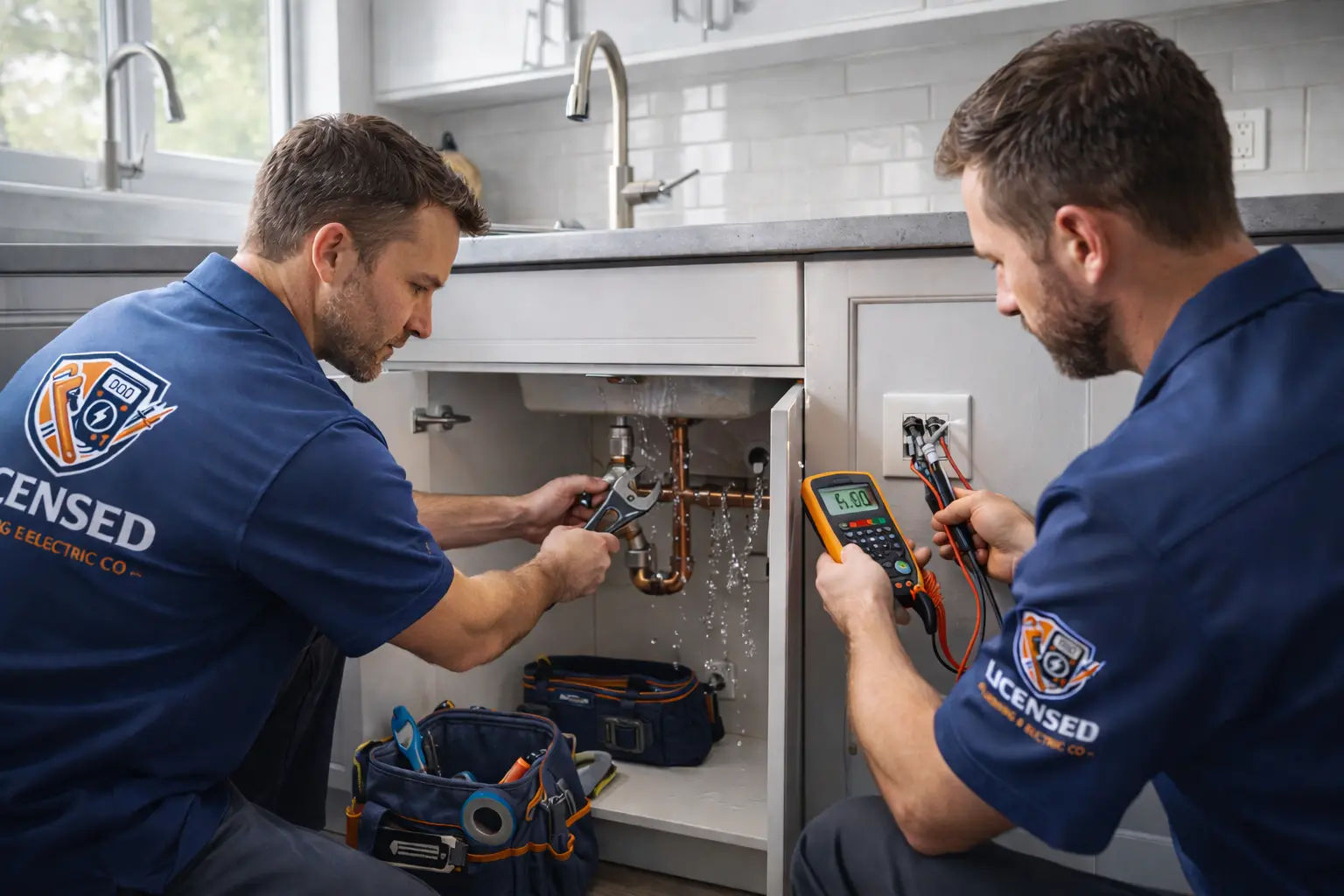
When electrical symptoms accompany the hydraulic issue—such as pumps that click but don’t start—inspect breakers, starters, and control relays to rule out power supply faults before replacing mechanical components. Combining mechanical and electrical diagnostics speeds accurate troubleshooting and minimizes downtime.
Home plumbing fixes and quick remedies in Tyler, TX
Start with removing and cleaning aerators and showerheads to dislodge scale and restore normal spray patterns, which often improves perceived pressure immediately. Replacing worn cartridges and valve seats in faucets can correct localized pressure inconsistencies and eliminate leaks that bleed system pressure.
Check the main shutoff valve for partial closure and fully open any isolation valves servicing branches to maximize flow during testing and repair operations. Use a hose tap pressure gauge to compare readings at multiple points in the home to determine whether the issue is local or system-wide.
For homeowners on wells, recycling a drained pressure tank and testing the pressure switch contact points can often resolve cycling and low-pressure symptoms without costly replacements. Simple maintenance on these components frequently restores stable PSI and mitigates premature pump starts.
When to call a professional plumber in Tyler, TX
If pressure testing indicates low incoming pressure at the service entry or if multiple fixtures are affected despite cleaning and basic checks, contact a licensed local technician for advanced diagnostics. Professionals can perform flow rate measurements, camera inspections of mains and laterals, and comprehensive checks of PRVs and meters.
Complex repairs such as replacing buried service lines, addressing municipal main issues, or installing booster and pressure tank systems require trained technicians with permits and coordination capabilities. Attempting major replacements without proper tools or knowledge can increase the risk of damage to building systems and municipal connections.
A professional also ensures compliance with local codes and integrates related services like drainage maintenance, sewer line checks, and electrical repair for pump circuits to deliver a coordinated solution. Reliable service guarantees and warranties protect your investment and reduce the chance of recurring failures.
Solutions for well systems and municipal supply in Tyler, TX
For well-fed properties, common remedies include recalibrating the pressure switch, replacing a worn pressure tank, and testing the well pump motor and impeller for wear or blockage. Installing a correctly sized expansion tank and anti-siphon devices prevents negative pressure events and stabilizes delivery.
When municipal supply is insufficient, installing a booster pump with an integrated pressure controller can elevate system PSI to desired set points for multi-story homes or large irrigation systems. Coordination with the local water utility may reveal scheduled maintenance or main breaks that affect pressure temporarily and avoid unnecessary equipment purchases.
Upgrading service piping from smaller-diameter lines to appropriately sized copper or PEX mains improves long-term capacity and reduces friction loss, while adding sediment filters and water softeners extends the life of downstream fixtures and appliances. These upgrades contribute to a holistic remediation plan that balances cost and performance.
Pressure regulation and booster pump options in Tyler, TX
A malfunctioning PRV can create chronic low-pressure symptoms that mimic broader system failures, making PRV inspection and calibration a priority. Replacing or adjusting a pressure-reducing valve often restores consistent downstream PSI and prevents negative impacts on appliances and fixtures.
For buildings requiring higher delivery pressure, variable speed booster pumps with integrated pressure transducers provide efficient, demand-driven performance while minimizing electrical loads and water hammer. Properly sized pressure tanks paired with soft-start controls extend pump life and reduce cycling for well and municipal-fed systems alike.
When selecting equipment, consider compatibility with water quality devices such as sediment pre-filters, backflow preventers, and water softening systems to ensure overall reliability and compliance with local codes in Tyler, TX. Professional installation ensures correct set points and safe operational practices.
Fixture-level repairs: faucets, shower valves and aerators in Tyler, TX
Localized pressure loss is often resolved by replacing worn cartridges, seats, and stems inside faucets and shower valves to restore full cross-sectional flow. Debris trapped in faucet aerators or showerhead screens can be removed easily, improving spray pressure and reducing sputtering or irregular flow patterns.
Upgrading to higher-flow fixtures or removing restrictive flow restrictors designed to conserve water can significantly improve user experience without major plumbing alterations. For commercial or multi-family properties, installing thermostatic shower valves and pressure-balancing valves enhances performance while preventing scalding during demand fluctuations.
Technicians can also evaluate fixture piping runs for undersized diameter, long runs, or unnecessary fittings that increase friction loss and contribute to perceived low pressure at the point of use. Addressing fixture-level concerns is often the most cost-effective way to deliver immediate improvement.
Piping issues: corrosion, blockages and pipe sizing in Tyler, TX
Internal corrosion in galvanized pipes and mineral encrustation in older copper or iron lines gradually reduce effective diameter and create system-wide pressure loss. Root intrusion, sediment accumulation, or adhesive scale in supply mains and service laterals can obstruct flow and require mechanical cleaning or replacement.
Hydraulic calculations for pipe sizing and friction losses help determine when upsizing is necessary to meet peak demands, particularly in homes with added bathrooms or irrigation systems. Re-piping with modern materials like PEX or copper can restore capacity and reduce long-term maintenance.
Advanced services such as hydro-jetting and camera inspection enable targeted removal of blockages and verification of pipe integrity, preventing unnecessary excavation while improving flow rate and system reliability. These interventions are often paired with preventive treatments or filtration upgrades.
Water heater and heating appliances affecting pressure in Tyler, TX
Water heaters with internal scale, corroded dip tubes, or clogged inlet screens can restrict flow to hot water fixtures and mimic low-pressure conditions. Tankless units and point-of-use heaters require clean inlet filters and correct flow rates to trigger proper heating cycles and maintain consistent output.
Sediment buildup at the base of storage heaters reduces efficiency and can obstruct hot water flow lines, while malfunctioning mixing valves or thermostatic blending devices affect perceived pressure and temperature stability. Routine flushing and anode rod inspection prolongs heater life and maintains peak performance.
When replacing or sizing a water heater, ensure compatibility with household demand and coordinate with any installed booster pumps or pressure tanks to prevent mismatched set points that could induce cycling or pressure fluctuations. Proper configuration eliminates temperature-related pressure complaints.
Integration with electrical repair and safety in Tyler, TX
Many pressure-related systems depend on reliable power, so diagnosing issues with breakers, starter relays, and control panels is essential when pumps fail to operate correctly. Faulty wiring, tripped GFCIs, or aged contactors can leave pumps unable to maintain PSI, linking mechanical symptoms to electrical faults that require licensed electrical repair.
Coordination between plumbing and electrical technicians ensures safe installation of booster pumps, VFDs (variable frequency drives), and pressure controllers that protect motors from voltage irregularities. Proper grounding and surge protection extend equipment life and reduce service calls due to electrical anomalies.
For homes with automatic controls, integrating alarm circuits and remote monitoring provides early detection of pump failures, loss of mains pressure, or abnormal cycling, enabling proactive maintenance and rapid response in Tyler, TX. This combined trades approach delivers comprehensive system reliability.
Drainage and sewer interactions that reduce pressure in Tyler, TX
While drainage issues are typically separate, severe blockages or collapsed sewer laterals can affect household water systems by creating negative pressure or backpressure conditions that alter fixture performance. Clogs and cross-connections risk contaminant ingress and backflow events, making inspection of backflow preventers and sewer lines a necessary part of full diagnostics.
Hydro-jetting clogged drains and clearing root intrusions restores proper drainage function and prevents pressure anomalies caused by shared vents or improper venting in complex plumbing systems. Ensuring vent stacks are unobstructed maintains atmospheric pressure balance that supports consistent fixture behavior.
Coordinating drainage services, sewer line repairs, and pressure restoration work prevents recurring issues and ensures that water distribution improvements are not undermined by underlying wastewater problems. This holistic approach helps protect property and health.
Maintenance plans, inspections and preventive care in Tyler, TX
Scheduled inspections that include pressure testing, PRV checks, and sediment filter replacement reduce the likelihood of unexpected pressure loss and extend the service life of pumps and valves. Regular maintenance for well systems—testing water quality, verifying tank pre-charge, and inspecting switch settings—prevents common failures that lead to low pressure.
Combining routine plumbing tune-ups with periodic electrical inspections for pump circuits and control panels ensures all components operate harmoniously under load. Preventive drain cleaning and camera inspections catch developing clogs early and maintain balanced system performance.
Customized maintenance plans for residential and commercial properties in Tyler, TX provide prioritized service, seasonal checks, and documented performance metrics that support warranty claims and resale value. Investing in proactive care saves money and reduces emergency repairs.
Call to action and local service guarantee in Tyler, TX
If you’re experiencing persistent low water pressure, slow-filling appliances, or inconsistent flow across fixtures, call our experienced team in Tyler, TX to schedule a diagnostic visit. We offer on-site pressure testing, camera inspections, electrical checks for pumps, and tailored repair plans to restore full PSI and reliable service.
Our certified technicians combine expertise in plumbing, electrical repair, and drainage services to deliver fast, code-compliant solutions backed by satisfaction guarantees. Contact us now at (866) 609-0323 for same-day appointments, emergency response, and transparent estimates with no surprises.
Frequently asked questions about low water pressure in Tyler, TX
Q: Why is water pressure fine in one room but low in another? A: Localized issues often stem from clogged aerators, failing shutoff valves, or isolated branch line restrictions; testing multiple points and inspecting fixtures helps isolate the problem. Professional flow tests and valve inspections can confirm whether a zone-specific repair or system upgrade is needed.
Q: Can a weak pump motor cause low pressure even if wiring seems fine? A: Yes, worn pump bearings, damaged impellers, or failing motor windings can reduce output even with intact wiring; an electrical technician can test motor draw and a plumbing pro can verify mechanical condition. Replacing or rebuilding the pump may be more cost-effective than repeated repairs.
Q: How do I know if my PRV needs adjustment or replacement? A: Signs of a failing pressure-reducing valve include fluctuating downstream PSI, noises from the valve body, or pressure that cannot be maintained; technicians perform bench testing or replace the unit to restore stable regulation. Routine checks reduce the chance of sudden failure.
Q: Will installing a booster pump solve intermittent municipal supply issues? A: A booster can compensate for low incoming pressure but should be paired with check valves, pressure tanks, and utility coordination to avoid backflow and meet regulations. Professional assessment ensures the booster is sized correctly and safely integrated.
Q: Is re-piping the only solution for corroded galvanized mains? A: While cleaning can temporarily improve flow, re-piping with modern materials like PEX or copper is often the long-term solution to restore capacity and reduce maintenance. Technicians evaluate cost, disruption, and expected lifespan to recommend the best path for your property.
Q: How often should I flush my water heater and replace sediment filters? A: Annual flushing for storage heaters and filter replacement schedules based on usage and water quality are common recommendations to maintain flow and efficiency. Adjust frequency for high-sediment conditions or local water characteristics in Tyler, TX.
Q: Can my irrigation system cause house low water pressure? A: Yes, simultaneous irrigation and household use can drop system-wide flow rate, especially with undersized mains or weak service connections; installing a dedicated irrigation line or a pressure-regulated booster can prevent conflicts. Scheduling irrigation during off-peak times also helps.
Q: What should I expect during a professional low-pressure diagnostic visit? A: Expect a comprehensive evaluation including PSI readings at multiple points, inspection of fixtures and valves, camera surveys for suspicious mains, and electrical checks for pump systems, followed by a prioritized repair plan. A transparent estimate and timeline will be provided before any major work begins.
Quality Assurance
We guarantee exceptional low water pressure troubleshooting results with every project.
Prompt Service
On-time service delivery with attention to every detail.